Logo
Sagamore Hill service

Water Damage Removal in Sagamore Hill

Water Damage Removal in Sagamore Hill starts with stopping the source, removing standing water, and finding moisture that could otherwise stay trapped in your home. We serve properties near Sagamore Hill Park and Lynn Shore Drive, where coastal storms and runoff can leave basements and lower floors wet. Our team explains the next steps plainly, then works to get your home dry and usable again.

24/7
Phone support
01902
Service ZIP
Fall rain readiness
October focus

Local water recovery

Water Damage Removal in Sagamore Hill

Why we serve here

Sagamore Hill's location and housing patterns create practical reasons to keep water recovery close. Coastal storms can push wind-driven rain into vulnerable openings, while elevation changes send runoff toward lower properties. Older homes may have basement moisture and plumbing vulnerabilities, and seasonal heavy rain can overwhelm local drainage. We respond to these conditions with a process that starts at the source and follows water into the materials it reached. Around Sagamore Hill Park and the routes toward Red Rock Park, homeowners often need help assessing a wet basement, a roof leak, or water moving across a lower floor. We work throughout the neighborhood because a quick, measured response helps limit damage before it spreads.

Local help for soaked basements, floors, and walls

Water Damage Removal in Sagamore Hill is a property recovery service that removes unwanted water and dries affected building materials after leaks, flooding, or plumbing failures. Our work here is shaped by the mix of older homes, lower-level living spaces, and coastal weather around Lynn. A basement leak on a sloped street can affect more than the visible floor; water can reach carpet padding, underlayment, and wall cavities before the surface looks seriously damaged. We inspect the wet area, identify the likely source, extract standing water, and set drying equipment according to measured moisture conditions. We serve Sagamore Hill and nearby East Lynn, Diamond District, and Lynnway, with local coverage across ZIP code 01902 and surrounding parts of Lynn, Massachusetts. For water damage removal Sagamore Hill MA residents need after a burst pipe or storm, our technicians use moisture meters and thermal imaging to check beyond visible staining. Sagamore Hill water damage removal also requires attention to access, parking, and the age of plaster or gypsum board. We explain which materials can dry in place and which need removal, then keep you informed while drying progresses.

Services available

Sagamore Hill Water Recovery Services

Water problems in Sagamore Hill range from a few inches of basement water to a roof leak that has soaked plaster and flooring across several rooms. October rain and coastal weather deserve attention now, while freezing temperatures later in the season can raise the risk of burst pipes. We inspect the source and affected materials before choosing equipment. If you need a same-day water extraction service in Sagamore Hill, call us with the address, the water source, and whether electricity or sewage is involved; those details help us prepare for the right cleanup.

How we work locally

How Sagamore Hill Water Cleanup Works

Challenge: Runoff collects beside lower homes after heavy coastal rain

Sagamore Hill's elevation changes can route water downhill toward basements and lower entrances. A brief storm can leave water under stored belongings or behind finished walls, so the visible puddle may not show the full affected area.

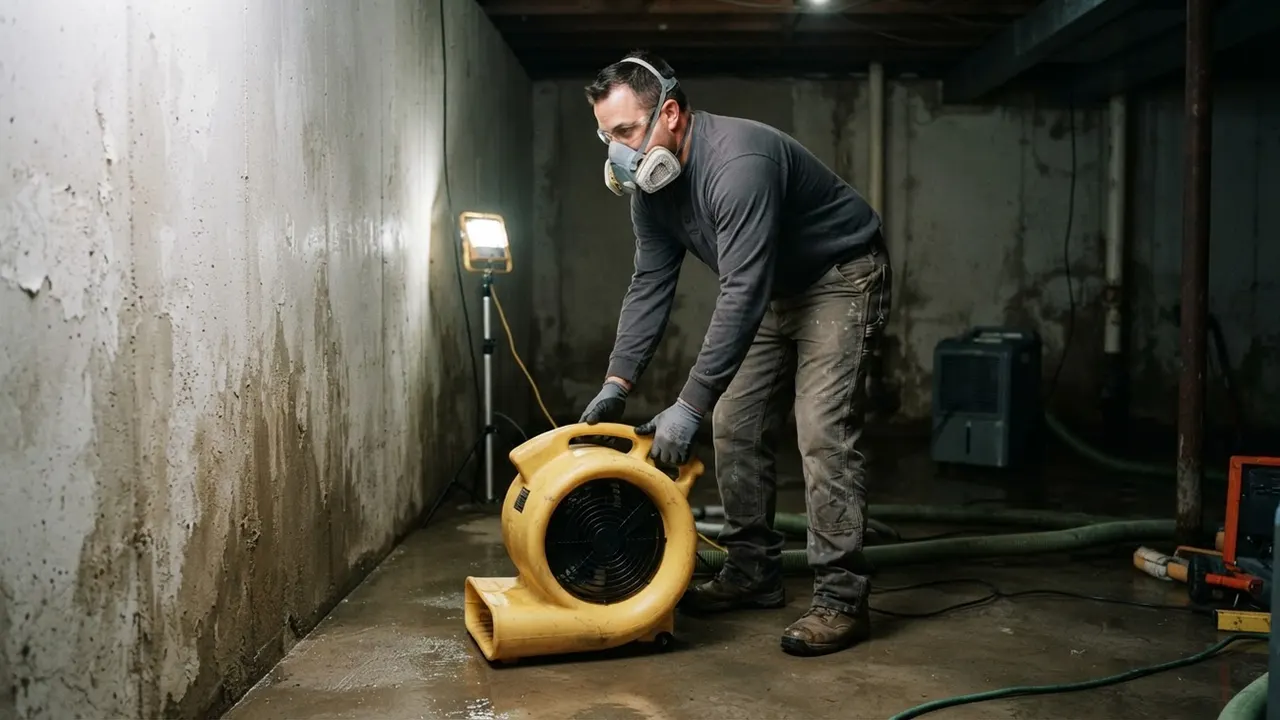
Response: We begin by checking where runoff entered and whether water is still moving toward the building. Our team extracts standing water, inspects the perimeter and lower wall sections, and records moisture readings in affected materials. We use air movers and dehumidification where appropriate, then explain drainage and repair concerns that should be addressed to reduce repeat wetting.

Challenge: Older plumbing and basement finishes conceal slow leaks

Older homes may have basement moisture and plumbing vulnerabilities, including leaks that spread behind paneling or under flooring. A slow supply-line leak can cause damp odor, swollen trim, and subfloor saturation without leaving a large pool.

Response: We trace the affected area from visible staining and moisture readings, then inspect adjacent rooms and wall edges. Where finishes block access, we explain targeted openings before removal. We dry sound materials, remove materials that have lost integrity, and document progress so you can see whether the hidden moisture is resolving.

Where we work

Sagamore Hill Park areaEast Lynn edgeDiamond District approachLynnway-side homesLynn Shore Drive corridorKing's Beach side

Sagamore Hill coverage

Sagamore Hill

Latitude: 42.4594

Extract Directions

Local project examples

Project example: 1

Sagamore Hill Park area

Problem

A heavy rain pushed water into a lower-level room near Sagamore Hill Park, soaking carpet, padding, and the bottom edge of finished walls.

Work

We removed standing water with portable extraction equipment, lifted the wet carpet edge, and checked the padding and wall base. After separating materials that could not be dried in place, we set air movers and dehumidification for the remaining structure. Moisture readings were checked each day, and we kept the homeowner updated before repair work began.

Result

Extraction and initial setup took about four hours. The affected area measured roughly 240 square feet, and drying checks continued over three days before the remaining surfaces were ready for repair planning.

Project example: 2

Lynnway-side homes

Problem

A supply-line leak in an older home toward the Lynnway left water beneath kitchen flooring and dampened the adjoining wall.

Work

We traced the water from the cabinet area to the floor edge and checked adjacent wall sections with a moisture meter. Our team removed the saturated underlayment, extracted water from the exposed subfloor, and directed drying airflow into the opened area. We protected the kitchen contents and explained why the floor needed to remain open until readings improved.

Result

The affected kitchen zone covered about 110 square feet. Extraction and material removal were completed in one visit, followed by daily readings for four days before flooring replacement planning.

Work on local homes
Work on local homes

What Sagamore Hill Water Jobs Reveal

Measure first, dry thoroughly

Water damage in Sagamore Hill rarely stops at the stain. A basement floor can look dry while carpet padding or underlayment remains wet; a ceiling leak can continue into a wall cavity. Our job process records the affected rooms, visible material changes, and moisture readings at the start, then compares those readings as drying progresses. We use equipment such as a Dri-Eaz dehumidifier, an air mover, and a Tramex or Protimeter moisture meter when appropriate to the property. That measured approach helps us decide whether a material can remain or needs removal. For Sagamore Hill water damage removal, the outcome is a documented drying plan and a clear handoff to repair, not simply a fan left running. We explain what we found and what needs attention next.

Daily
Moisture checks

Local questions

Who provides water damage removal in Sagamore Hill?

Water Restoration Pros provides water damage removal in Sagamore Hill, with service for leaks, basement flooding, stormwater, and burst pipes. Call 781-288-8068 and tell us where the water is, what caused it, and whether it is still entering. We serve ZIP code 01902 and nearby Lynn neighborhoods. Our team extracts standing water, checks affected materials, and explains the drying and repair steps for your property.

How quickly can water extraction reach a home in Sagamore Hill?

We take emergency calls 24/7 and confirm an arrival window when you call; actual travel time depends on the address, weather, and road access. For a same-day water extraction service in Sagamore Hill, share the water source, affected floor, and whether the water is rising. While waiting, avoid wet areas near electricity and shut off the water supply only if you can do so safely.

Is 24/7 flood damage cleanup available in Sagamore Hill MA?

Yes, emergency calls for flood damage cleanup in Sagamore Hill MA are accepted 24/7. Tell us whether the water came from rain, a pipe, or a drain, since contaminated water requires different handling. We remove standing water, inspect flooring and wall edges, and set a drying plan based on measured moisture. For an active emergency, call 781-288-8068.

Credentials and care

Local Standards and Credentials

We follow a measured restoration process for homes in Sagamore Hill, from water extraction through drying checks and repair planning. Our technicians use appropriate protective practices and equipment, and we coordinate regulated plumbing or reconstruction work with the properly qualified trade. Water Restoration Pros maintains Massachusetts Home Improvement Contractor registration for covered home improvement work and follows applicable EPA lead-safe requirements when renovation disturbs covered painted surfaces. Ask us about the credentials relevant to your project. We serve Lynn, MA, including ZIP codes 01902, 01904, and 01905, and work throughout Essex County.

Massachusetts Home Improvement Contractor registration
EPA Lead-Safe Certification
IICRC Water Damage Restoration Technician Institute of Inspection, Cleaning and Restoration Certification
When To Call

When to Call for Sagamore Hill Cleanup

Call for water damage removal when water is still entering, flooring is wet beneath the surface, or a leak has reached walls or ceilings. In Sagamore Hill, coastal storms and seasonal heavy rain can bring water into lower rooms quickly, while an older pipe can leak unnoticed behind a cabinet. If you are looking for 24/7 water damage removal near me in Sagamore Hill MA, describe the source and whether the affected area includes electricity, sewage, or a ceiling that is sagging. Those details help us prioritize safe extraction and drying.

1. Water remains on basement flooring

Standing water can move into carpet padding, stored items, and the base of finished walls. If the level is rising or the source is unclear, treat it as urgent. Avoid entering water near electrical equipment and call for extraction and an inspection of the surrounding materials.

2. A ceiling stain grows after rain

A widening stain often means water is still entering or has spread beyond the first visible mark. Roof leak water intrusion can reach insulation and wall cavities before dripping. Protect contents below the stain, avoid puncturing a bulging ceiling, and arrange an inspection.

3. Floorboards cup or edges lift

Hardwood flooring can absorb moisture from above or from a wet subfloor. Cupping and raised edges indicate the floor assembly needs assessment, even if the room no longer feels wet. Quick extraction and measured drying help limit additional movement and identify whether underlayment is saturated.

4. Musty odor develops in a closed room

A persistent damp smell can point to hidden moisture in wall cavities, carpet padding, or a basement corner. Do not mask it with fragrance. We check nearby materials and moisture levels to find the source and reduce conditions that support secondary mold growth.

5. Paint bubbles or plaster softens

Bubbling paint and soft plaster suggest water has reached the surface from behind or above. The material may lose strength as it stays wet. Keep furniture away from the area and have the leak path and wall condition checked before attempting a patch or repaint.

Local Problem Patterns

Common Sagamore Hill Water Problems

Sagamore Hill combines coastal weather, older housing, sloped streets, and properties with basements or finished lower floors. Coastal storms can bring wind-driven rain, while elevation changes direct runoff toward lower properties. Seasonal heavy rain can overwhelm local drainage, and aging plumbing can turn a small leak into wet drywall or subfloor saturation. Sagamore Hill water damage removal often means checking the route water took, not just cleaning the room where it appeared. We look for moisture behind trim and below flooring, then plan extraction and drying around the building materials.

Logo

Basement flooding after heavy rain overwhelms local drainage

Why it happens here

Rainwater can collect around lower entrances when runoff follows the slope toward a home. Heavy seasonal rain also tests drains and foundation openings, especially where basement finishes hide early dampness. Water may spread under stored items before the homeowner sees a clear pool.

Our approach

We identify the entry point, remove standing water, and inspect the floor edges and lower walls. We check whether stored materials or finishes have trapped moisture, then dry the remaining structure using monitored airflow and dehumidification. We also explain what drainage or exterior repair concerns should be addressed.

Logo

Burst pipe water damage spreads behind older finished walls

Why it happens here

Older homes can have plumbing lines routed through concealed spaces, where a leak travels before appearing as a stain. Cold conditions can increase the risk in exposed or poorly insulated areas. By the time water reaches the floor, insulation and gypsum board may already be wet.

Our approach

We map visible damage and use moisture readings to check adjacent wall sections and flooring. After the water source is stopped, we extract pooled water and determine whether controlled openings are needed for drying. We protect unaffected rooms and keep you updated on each material decision.

Logo

Wind-driven rain enters roof edges and exterior openings

Why it happens here

Coastal storms can push rain under vulnerable roof details or through aging window and door seals. Water follows framing and may appear far from the entry point, making a ceiling mark look smaller than the affected area. Repeated wetting can weaken plaster and insulation.

Our approach

We trace the interior path, protect contents, and assess ceiling and wall materials beyond the stain. We remove materials that cannot be dried safely, then use measured drying for framing and remaining surfaces. Stopping the exterior leak is essential before the interior repair is completed.

Logo

Sewage backup contaminates lower-level flooring and belongings

Why it happens here

A drain backup can bring contaminated water into a basement or utility area, affecting porous items and floor assemblies. The source may be a blocked line or overwhelmed drainage during intense rain. Contact with contaminated water requires a different cleanup approach from a clean supply-line leak.

Our approach

We treat the affected area as contaminated, use appropriate protective equipment, and separate porous items that cannot be safely restored. We remove water and affected materials, clean remaining surfaces, and plan drying after the contamination is addressed. We explain which areas need restricted access during work.

Local Pricing

Water Damage Removal Costs in Sagamore Hill

Typical 2026 pricing in Sagamore Hill depends on water volume, affected materials, contamination, and how much drying the structure needs. A small clean-water extraction job may fall around $500-$1,500; a multi-room loss with material removal and several days of drying can range from $2,000-$7,500 or more. Larger or contaminated losses need an on-site assessment. Water damage restoration near Sagamore Hill is priced around the work required, not just the size of the visible puddle. We explain the cost drivers and provide upfront pricing before approved work begins. Call with the source, affected rooms, and any standing-water depth to help us understand the situation.

Availability in Sagamore Hill: We take calls for Sagamore Hill water emergencies around the clock and arrange service based on the water source, safety concerns, and current access conditions. During active leakage, shut off the supply if you can do so safely and keep clear of electrical hazards. For an urgent basement flood, tell us whether the water is rising, whether it may involve sewage, and which entrance is usable. Call 781-288-8068 for help.

1

Water volume and access

More standing water requires longer extraction and more equipment. A basement with narrow stairs or limited parking can also take additional handling compared with an open first-floor room. We assess access and water depth at the Sagamore Hill property before setting the work plan.

2

Materials and hidden moisture

Wet carpet padding, underlayment, insulation, and wall cavities can add removal and drying work beyond the visible floor area. Older Sagamore Hill homes may have plaster or layered finishes that need careful assessment. Moisture readings help determine what can be dried and what must be removed.

3

Contamination and repair scope

Clean water from a supply line is handled differently from sewage backup or floodwater carrying debris. Contamination changes protective measures and cleaning requirements. Repairing drywall, plaster, or flooring after drying also affects the total, so we separate extraction needs from the later restoration work.

Year-Round Coverage

Sagamore Hill Water Risks by Season

October brings fall rain and coastal storm concerns to Sagamore Hill, so check basement entry points, roof edges, and window seals before the next heavy weather. Winter then brings freezing conditions that can stress exposed plumbing. Spring rain and snowmelt test drainage, while summer storms can deliver intense downpours in a short period. If you need emergency flood cleanup for homes in Sagamore Hill, we remove water and check what remains wet after the weather passes. The best response is based on the water source and the materials affected, not the season alone.

Spring

Spring rain and thawing conditions can leave low yards and basement entrances vulnerable to runoff. Check for damp foundation edges, a musty basement smell, or water appearing after repeated showers. Saturated soil can keep exterior surfaces wet even after the rain stops.

Tip

Clear leaves and debris from accessible drains, and move stored items off basement floors. If water returns after each storm, tell us where it enters so we can inspect the affected walls and floor edges.

Summer

Summer thunderstorms can drop heavy rain quickly, bringing roof leaks, window intrusion, and water across lower floors. Humid air can also slow drying when ventilation is poor. A small ceiling leak deserves attention if the stain expands or the surface softens.

Tip

After a storm, check ceilings, exterior-facing walls, and basement corners. Photograph visible damage and keep electronics away from wet flooring; call if water is spreading or materials remain saturated.

Fall

Fall is the current focus in October: coastal storms and steady rain can expose roof weaknesses and overwhelm local drainage. Wet leaves can block exterior drains, while wind-driven rain may enter around roof edges and windows. Lower properties need particular attention after prolonged rainfall.

Tip

Clear reachable gutters and inspect basement entry points before storms. If you find standing water, avoid electrical hazards and call for extraction before it reaches stored belongings or finished walls.

Winter

Freezing temperatures can threaten plumbing in exterior walls, unheated rooms, and basement utility spaces. A burst pipe can release water into floors and wall cavities, then cause damage to become visible after the line is repaired.

Tip

Know where your main water shutoff is and keep vulnerable areas reasonably warm. If a pipe breaks, stop the flow if safe, avoid affected electrical equipment, and call for prompt extraction and drying.

Hiring Smart

Questions to Ask Before Hiring Locally

A good contractor should be able to explain what happens after the water is removed, not just how quickly equipment can be brought in. In Sagamore Hill, ask how the team will check older plaster, basement finishes, and moisture behind flooring. You should understand how readings guide drying, what materials may need removal, and who handles repair work. Clear answers help you compare the actual work plan rather than a vague promise. We welcome direct questions about equipment, safety, cleanup, and costs.

  1. 1

    "How will you find moisture behind my Sagamore Hill walls?"

    Why it matters

    A contractor should describe how visual inspection, moisture readings, and targeted checks work together. Hidden moisture can remain after surface water is gone. A specific explanation shows the plan is based on your wall construction and water path, not a one-size-fits-all equipment setup.

  2. 2

    "Who checks the drying progress after extraction?"

    Why it matters

    Drying needs follow-up, not just equipment placement. Ask how often readings are taken and how the team decides when materials are ready for repair. A clear answer should connect progress to measured conditions and explain what happens if a section remains wet.

  3. 3

    "What happens if the water came from a drain backup?"

    Why it matters

    Sewage backup requires different handling from a clean pipe leak. The contractor should explain how contaminated materials are separated, what protective measures are used, and how the affected area is cleaned. This answer helps you understand whether the crew recognizes the health and material risks.

  4. 4

    "Will you protect rooms that were not affected?"

    Why it matters

    Extraction and material removal can move equipment and debris through occupied homes. Ask how the team protects dry areas, contents, and walkways. A thoughtful answer should describe practical barriers and cleanup steps suited to the layout of your Sagamore Hill property.

  5. 5

    "How do you price drying and material removal?"

    Why it matters

    Pricing should reflect water volume, materials, contamination, and drying needs. Ask for the cost drivers before work moves beyond the immediate emergency. A clear explanation helps you understand why wet padding or hidden wall moisture changes the work compared with a small surface spill.

Knowing the Area

Local Landmarks Around Sagamore Hill

We use familiar local points to understand the property location and plan equipment access, not as a substitute for your street address. Sagamore Hill Park helps orient calls within the neighborhood; Lynn Shore Drive and Red Rock Park are useful references for coastal exposure and storm-related access. Tell us which landmark is nearest, whether the water is in a basement or upper floor, and if the entry is shared. That gives us a clearer picture before we arrive.

Landmarks

  • Sagamore Hill Park

    The park is a clear neighborhood reference when you describe where the affected home sits. Nearby properties can have different slopes and drainage paths, so we still assess the exact entrance and grade at your address.

  • Lynn Shore Drive

    Lynn Shore Drive helps orient calls from the coastal side of the service area. During wind-driven rain, we pay close attention to roof, window, and exterior-wall intrusion reported by nearby residents.

  • Red Rock Park

    Red Rock Park is a familiar local reference for properties toward the shoreline. It helps us understand the part of Lynn you mean when discussing storm exposure, while the street address determines access and the work plan.

Commercial Districts

  • Lynnway

    The Lynnway connects residential and commercial properties where a roof leak or plumbing failure can affect occupied spaces and stored inventory. We identify the affected rooms and work around business access needs.

  • Diamond District

    The Diamond District area includes homes and local businesses that may share building systems or access routes. Water entering a lower unit can require coordinated extraction and drying across connected spaces.

Transport & Access

  • Lynn station

    Lynn station provides a useful reference for coordinating service across the city. Vehicle access and the exact Sagamore Hill address determine equipment placement and the final route.

  • Lynnway

    The Lynnway is a practical road reference for reaching parts of Sagamore Hill and nearby neighborhoods. We confirm the best property entrance and available parking before bringing larger extraction equipment.

Service Area

Water Damage Removal Coverage Across Sagamore Hill & Essex County

Routine and same-week appointments for residents and businesses across Essex County, including the ZIP codes below.

019050190401902019010190301910
!

Call for Water Damage Removal in Sagamore Hill

Standing water, a burst pipe, or a storm leak needs a clear next step. Our team serves Sagamore Hill and nearby Lynn neighborhoods with 24/7 emergency call support. Call 781-288-8068 and tell us what happened, where the water is, and whether it is still coming in. We will help you plan the immediate response and arrange the appropriate extraction and drying service.

Call now
Call Now: 7812888068