Logo
West Lynn service

Water Damage Removal in West Lynn for Local Homes

Water Damage Removal in West Lynn starts with stopping the spread and getting standing water out of your home. We help homeowners in Pine Hill, Wyoma Square, and Brickyard after basement flooding, burst pipes, roof leaks, and heavy rain. Our water damage removal West Lynn MA service includes moisture checks, careful material removal, and drying equipment selected for the rooms and materials affected. Call us as soon as water appears.

24/7
Emergency availability
Room by room
Moisture checks
Rain and leaks
October focus

West Lynn overview

Water Damage Removal in West Lynn

Why we work here

West Lynn has a mix of older homes, finished basements, and sloped residential lots where water can travel toward foundations during a downpour. Tree cover around residential streets can also redirect runoff, so a dry-looking entryway does not always mean the lower level stayed dry. We serve this part of Lynn because local owners need a nearby team that understands how quickly a small seep can affect stored belongings, flooring, and finished walls. In Essex County, October rain is a practical concern, followed by winter pipe stress and spring runoff. We help you address the immediate water and check the materials it reached, rather than treating every wet room as the same job.

Stop the water, protect your home, dry it right.

Water Damage Removal in West Lynn is a property restoration service that removes unwanted water, dries affected building materials, and addresses damage after leaks or flooding. Older homes with basements are common here, and a wet floor can conceal water in carpet padding, wall cavities, or beneath hardwood flooring. We serve West Lynn addresses in ZIP code 01905, including homes around Pine Hill, Wyoma Square, and Brickyard. Our West Lynn water damage removal work begins with locating the water source, documenting visible damage, and checking moisture beyond the surface. We then extract water, identify materials that need removal, and set drying equipment to suit the affected rooms. Heavy rainfall can expose drainage and foundation seepage issues, while seasonal freeze-thaw cycles can stress pipes and masonry. We account for those conditions when we inspect a home. Our technicians explain the next steps plainly, protect unaffected areas, and keep you informed as readings change. If water has reached a basement, finished room, or shared wall, early removal helps limit damage and reduces the chance of secondary mold growth.
Services available

Water Damage Services for West Lynn Homes

Water problems in West Lynn range from a few inches of basement water to a roof leak that has soaked plaster and insulation across several rooms. We choose the work based on the source, the water affected, and the materials involved. If you need emergency flood cleanup for homes in West Lynn, we first address immediate safety and standing water, then map the drying and repair steps. Our service area includes ZIP code 01905 and homes near Wyoma Square, Pine Hill, and Brickyard. We keep the process clear so you know what is being removed, what can be dried, and what comes next.

How we work locally

How We Handle Water Damage in West Lynn

Challenge: Heavy rainfall sends runoff toward older West Lynn foundations

Water can enter through a basement wall-floor joint or a low foundation opening and spread beneath stored items. A visible puddle may not show how far moisture traveled into carpet padding, wood trim, or framing.

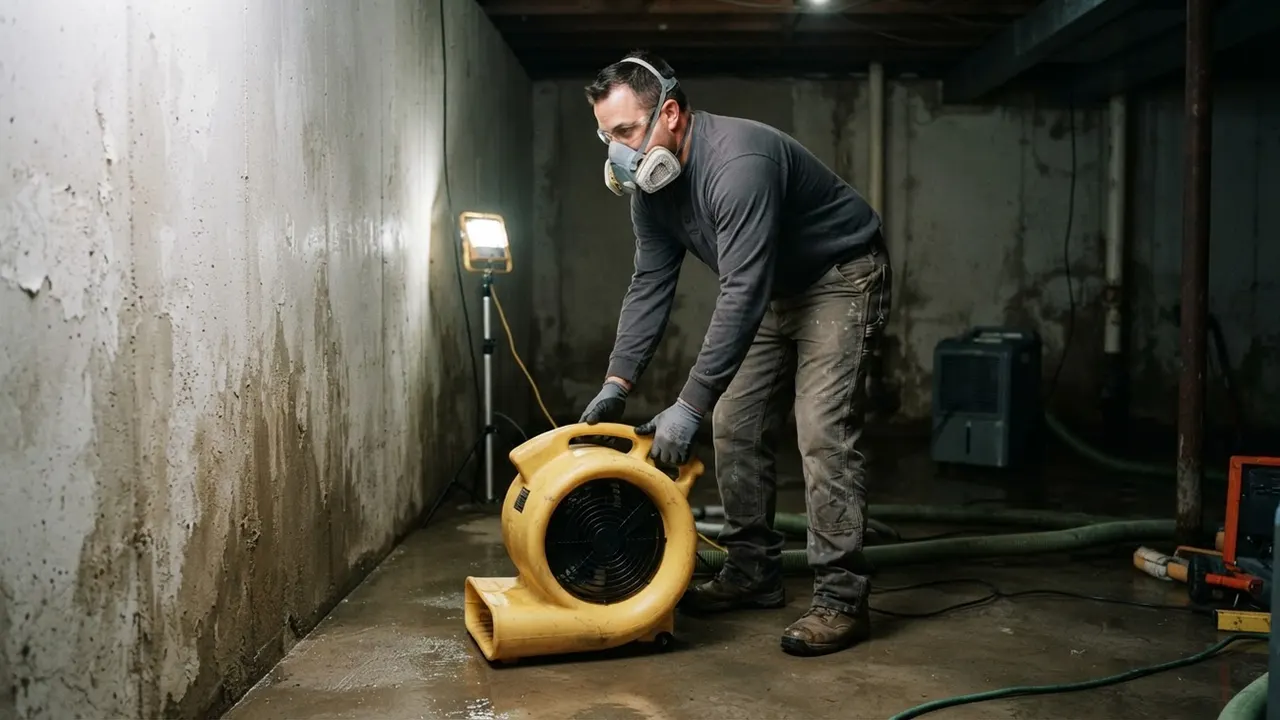
Response: We remove standing water and inspect the perimeter, not just the center of the room. A moisture meter helps us identify damp materials beyond the wettest area. We then place drying equipment to move air across affected surfaces and use a dehumidifier to collect moisture from the room. You see the readings that guide the next step.

Challenge: Freeze-thaw cycles stress exposed pipes and older masonry

Cold snaps can leave pipes vulnerable in basements, exterior walls, and unheated areas. A small split may release water behind finishes, leaving wet drywall or plaster even when the floor has only a modest amount of water.

Response: We trace the likely water path from the leak, check nearby rooms, and inspect concealed edges before closing the job. We remove wet insulation or wall material when drying in place is not appropriate, then dry the exposed structure. You get a clear explanation of the moisture readings and repair sequence.

Where we work

Pine HillWyoma SquareBrickyardLynn Woods edgeBreed Middle School areaWalsh School area

West Lynn service area

West Lynn

Latitude: 42.4776

Extract Directions

Local project examples

Job example: 1

Pine Hill

Problem

After heavy rain, a West Lynn homeowner found water along two basement walls and soaked carpet padding around stored boxes. The visible wet area measured roughly 180 square feet.

Work

We moved contents away from the damp perimeter, extracted standing water, and removed carpet padding that could not be dried in place. We checked the wall edges and floor with a moisture meter, then positioned air movers and a dehumidifier. We rechecked the affected zones during drying and explained which surfaces were ready for repair.

Result

Water was removed from the 180-square-foot affected area, and drying readings were tracked across the basement rather than at one test point. The homeowner received a clear repair sequence for the flooring and lower wall finishes.

Job example: 2

Wyoma Square

Problem

A burst pipe in a West Lynn home's upper floor wet a ceiling, a hallway wall, and part of the floor below. The homeowner noticed a spreading stain before water reached the basement.

Work

We traced the visible water path, protected the hallway, and inspected adjoining rooms for hidden moisture. We removed compromised ceiling material where needed, checked insulation and framing, and set air movers to dry exposed surfaces. The drying setup was adjusted as readings changed, with the repair stage held until affected materials were ready.

Result

The inspection covered three connected areas, including the ceiling, wall, and lower floor. The homeowner had the wet materials identified, the remaining structure monitored, and a repair plan based on measured drying progress.

Work process
Work process

What West Lynn Water Damage Jobs Show

Measured drying, not guesswork

West Lynn homes bring us a range of water problems: basement seepage after heavy rain, burst pipe water damage in winter, and roof leak water intrusion that reaches ceilings and insulation. Our process records where water is visible and where moisture remains after extraction. We use equipment such as a wet/dry vacuum, air mover, and refrigerant dehumidifier according to the affected area, then check readings before changing the setup. In a lower-level cleanup, the difference between a dry surface and a dry subfloor matters. We do not use invented job counts or outcome percentages; each property has its own materials and starting conditions. You can expect a practical explanation of what we found, what has been dried, and what needs repair. For West Lynn water damage removal, that measured approach helps you avoid closing up damp materials and missing hidden moisture.

Room by room
Moisture checks

Local questions

Who provides water damage removal in West Lynn?

water Restoration Pros provides water damage removal in West Lynn for basement flooding, burst pipes, roof leaks, and stormwater intrusion. We extract standing water, inspect affected materials, and set a drying plan based on moisture readings. Our service covers West Lynn ZIP code 01905, including Pine Hill, Wyoma Square, and Brickyard. Call 781-288-8068 and tell us where the water entered and which rooms are affected.

How quickly can water extraction reach a home in West Lynn?

We take emergency calls 24/7 and arrange the earliest safe visit for your West Lynn address; arrival time depends on current conditions and access. Tell us whether water is still entering, how much of the floor is wet, and whether the source is shut off. A same-day water extraction service in West Lynn is the goal when scheduling and conditions allow. Keep clear of wet electrical areas while you wait.

Is 24/7 flood damage cleanup available in West Lynn MA?

Yes, emergency water damage calls are accepted 24/7 in West Lynn, MA, including nights and weekends. We assess the immediate risk, remove standing water, and identify materials that need drying or removal. For emergency flood cleanup for homes in West Lynn, call 781-288-8068 and describe the source, affected rooms, and any safety concerns. Do not enter water near electrical equipment.

Credentials and care

Training and Local Compliance

We follow established water restoration practices and use moisture measurements to guide drying decisions in West Lynn homes. Our technicians hold IICRC Water Damage Restoration Technician training, and our work accounts for OSHA safety practices. Massachusetts Home Improvement Contractor registration applies to covered home improvement work; restoration and repair requirements depend on the work performed. Older painted surfaces require attention to the EPA Renovation, Repair and Painting Rule when the project falls within its scope. We explain the work, protect affected areas, and coordinate repairs with applicable requirements. Ask us about the credentials relevant to your specific project.

Massachusetts Home Improvement Contractor registration
EPA Lead-Safe Certification for covered renovation work
IICRC Water Damage Restoration Technician Institute of Inspection, Cleaning and Restoration Certification
When To Call

When to Call for Water Damage Help

Call when water is standing, a ceiling is actively dripping, a basement wall is wet, or flooring has started to buckle. In West Lynn, heavy rain and freeze-thaw stress can turn a small opening or pipe weakness into damage across more than one room. If you are searching for 24/7 water damage removal near me in West Lynn MA, focus first on safety: avoid wet electrical areas and stop the water only if it is safe. We can then extract water, check concealed materials, and explain what needs drying or removal.

1. Water pooling along basement walls

Pooling after rain can point to foundation seepage or runoff entering at a low point. Water can move beneath stored belongings and into carpet padding or wall finishes. Contact us promptly, especially if the puddle is growing or the room contains electrical equipment.

2. Ceiling stains spreading after a leak

A spreading brown or yellow stain often means water is still moving above the ceiling or has soaked the material. The surface can soften before it fails. Avoid standing beneath a sagging area and have the leak path and affected ceiling checked.

3. Hardwood boards lifting or separating

Raised edges, gaps, or a rippled floor can indicate moisture trapped below hardwood flooring. Water may have reached the underlayment or subfloor even when the surface is only slightly damp. Early inspection helps determine whether drying is possible or removal is needed.

4. Musty odor near a wet wall

A persistent musty smell after a leak can indicate moisture remains behind baseboards, drywall, or plaster. Hidden moisture can support secondary mold growth if the area stays damp. We check the surrounding materials instead of masking the odor or relying on surface appearance.

5. A pipe leak followed by damp flooring

Water from a burst or leaking pipe can travel under flooring and into adjacent rooms. Even a small visible spill may leave a wider wet area beneath the surface. Shut off the supply if safe, avoid walking through contaminated water, and call for extraction and moisture checks.

Local Problem Patterns

Common West Lynn Water Damage Problems

West Lynn water problems reflect its older homes, basement spaces, sloped lots, and changing weather. Heavy rainfall can expose drainage and foundation seepage issues, while seasonal freeze-thaw cycles put stress on pipes and masonry. Tree cover can influence runoff, and a roof leak may remain hidden until a ceiling stain appears. water damage restoration near West Lynn often starts with a visible puddle but needs a wider inspection to find water in wall cavities, beneath flooring, or behind stored items. We check the source and affected materials before choosing an approach.

Logo

Basement seepage after heavy rainfall reaches finished lower-level rooms

Why it happens here

Rainwater can collect along a foundation when runoff follows a sloped lot or drainage is overwhelmed. Older basement walls and floor joints may allow water inside, where carpet, stored belongings, and wall finishes absorb it before the source is obvious.

Our approach

We remove standing water, check along the perimeter, and assess finished materials for moisture. We use extraction equipment first, then position drying equipment based on readings. If carpet padding or wall material cannot be dried appropriately, we explain what must be removed and why.

Logo

Frozen or stressed pipes leak behind plaster and finished walls

Why it happens here

Seasonal freeze-thaw cycles can stress pipes located in colder basement areas, exterior walls, or unheated spaces. Water may travel inside a wall before it appears at a seam or ceiling, leaving insulation and framing wet even when the visible leak seems small.

Our approach

We follow the water path beyond the first stain and inspect connected spaces for hidden moisture. We identify plaster or gypsum board before opening a wall, protect unaffected areas, and dry exposed framing. Your repair plan follows the moisture findings rather than the size of the stain.

Logo

Roof leak water intrusion soaks ceilings and attic insulation

Why it happens here

Wind-driven rain, damaged roofing, or water collecting near roof details can allow moisture into the attic and ceiling assembly. The leak may travel along framing and emerge away from its entry point, making the indoor stain an incomplete guide.

Our approach

We check the interior water path, identify wet ceiling and insulation areas, and remove materials that cannot be dried in place. After the roof source is addressed, we dry the exposed structure and check adjoining surfaces so repairs do not cover damp material.

Logo

Runoff and tree debris send stormwater toward basement entries

Why it happens here

Tree cover and sloped lots can channel rain toward window wells, basement steps, and low doors. Leaves may slow drainage during fall storms, allowing water to collect close to the house and enter a lower-level room.

Our approach

We extract water from affected rooms, check lower wall edges and flooring, and separate wet contents from building materials. We use moisture readings to guide drying and explain the interior entry path we observed, helping you understand what exterior drainage issue needs attention.

Local Pricing

What Water Damage Costs in West Lynn

For typical 2026 pricing in this area, a limited extraction and drying visit may fall around $500-$1,500, while a larger multi-room loss can range from $2,000-$6,000 or more. The final amount depends on water volume, affected materials, access, and how long equipment must run. West Lynn water damage removal can cost more when water has reached insulation, wall cavities, hardwood flooring, or a finished basement. We explain pricing before work begins and base the plan on what the inspection finds. Emergency calls involving active leaks or extensive flooding need immediate attention; taking photos and noting when the water started can help us understand the situation. Repairs such as drywall, plaster, or flooring replacement are priced according to the materials and area involved.

Availability in West Lynn: We take emergency water damage calls for West Lynn day and night, including weekends and holidays. Call 781-288-8068 and describe whether water is still entering, where it has reached, and whether anyone is at risk. For active leaks, shut off the source if it is safe to do so. We arrange the visit around the urgency, the property address, and safe access to the affected rooms.

1

Water volume and affected area

A small room with a shallow puddle takes less extraction and drying time than a basement with water along several walls. We assess the full affected footprint, including nearby rooms and floor transitions, so you understand how the size of the loss changes labor and equipment needs.

2

Materials beneath the surface

Carpet padding, insulation, underlayment, and wall cavities can retain water after visible surfaces look dry. If materials need removal, the work includes safe access, disposal, and checks of the exposed structure. Hardwood flooring and plaster also require careful evaluation before a repair decision.

3

Access and drying duration

Tight basement stairs, limited parking, or a long equipment-carry distance can add handling time in older West Lynn homes. Drying also depends on measured moisture levels and the materials involved; a larger or concealed wet area can require additional monitoring and equipment days.

Year-Round Coverage

How West Lynn Seasons Affect Water Damage

October brings fall rain and leaves, so West Lynn homeowners should watch basement entries, foundation edges, and roof drainage first. Winter freeze-thaw cycles can stress pipes and masonry; spring rain can expose seepage and runoff problems; summer storms can bring wind-driven rain and sudden flooding. If you need a same-day water extraction service in West Lynn, tell us whether water is still entering and which rooms are affected. We tailor extraction and drying to the season and the materials in your home.

Spring

Spring rain and changing temperatures can reveal foundation seepage that was less noticeable during colder months. Lower-level rooms may show damp corners, wet storage, or water at the wall-floor joint as runoff reaches the property.

Tip

Check basement edges after heavy rain and move stored items away from damp walls. If water appears, photograph the affected area and call before it spreads beneath flooring.

Summer

Summer storms can bring intense rain and wind-driven roof leaks. Water may enter through a roof opening, wet insulation, and travel along framing before a ceiling stain appears. Basement flooding can also follow a sudden downpour.

Tip

After a storm, look for new ceiling marks and water near basement doors. Do not disturb a sagging ceiling; keep clear and call for an inspection.

Fall

Fall is the current seasonal concern in October. Rain and leaf buildup can affect drainage around sloped West Lynn lots, while roof leaks become more noticeable during repeated storms. Water can collect near basement steps and lower-level openings.

Tip

Keep leaves clear of accessible drainage points and check your basement after heavy rain. If water has entered, avoid running electrical equipment in wet areas and call for safe extraction.

Winter

Freezing temperatures and repeated thawing can stress exposed plumbing and older masonry. A pipe leak may start in an unheated area and send water through a wall or ceiling before it reaches the floor. Basement utility rooms deserve close attention.

Tip

Know where the main water shutoff is and use it if a pipe leaks and access is safe. Call promptly so wet insulation, framing, and finishes can be checked.

Hiring Smart

Questions to Ask Before Hiring Locally

A good water restoration contractor should explain how water will be removed, how drying will be measured, and what happens to materials that cannot be saved. In West Lynn, ask how the crew handles older plaster, basement access, and runoff-related flooding. You should know who is entering your home, what equipment will run, and how progress is checked. Clear answers matter more than broad promises. We explain the work in ordinary language and connect each step to the conditions we find in your rooms.

  1. 1

    "How will you find moisture behind my basement wall?"

    Why it matters

    A surface can feel dry while the cavity behind it remains wet. Ask whether the contractor checks beyond visible stains and how readings affect the drying plan. A useful answer explains where measurements are taken and how the crew decides whether a finish needs removal.

  2. 2

    "Will you protect the dry rooms and basement stairs?"

    Why it matters

    Water cleanup can involve hoses, tools, and equipment moving through occupied areas. The contractor should explain how walkways and unaffected rooms will be protected, especially in older West Lynn homes with narrow entries or a single basement route.

  3. 3

    "How do you decide whether plaster or drywall must come out?"

    Why it matters

    Plaster and gypsum board respond differently to water, and removal should follow the condition of the material. A strong answer describes inspection, moisture checks, and the reason for removing or retaining a particular section rather than treating every wall the same way.

  4. 4

    "What will you measure before you call the structure dry?"

    Why it matters

    A drying plan should rely on moisture readings, not just a dry-looking surface or a fixed number of days. Ask what materials are being checked and how often readings are reviewed. This helps you understand when repairs can safely proceed.

  5. 5

    "Can you explain the price before extraction starts?"

    Why it matters

    You need to understand the expected charges and what factors could change the work. Ask how water volume, affected materials, and equipment time influence cost. A straightforward explanation helps you compare the proposed work with the actual conditions in your home.

Knowing the Area

Local Landmarks That Orient Our Visits

West Lynn landmarks help us understand where your home sits within the service area, especially when a street name is unfamiliar or access is tight. Tell us whether you are closer to Lynn Woods Reservation, Breed Middle School, or Wyoma Square, then share your address and the best entrance. We plan around residential parking and basement access before bringing in pumps or drying equipment. Clear directions help us focus the visit on water removal rather than finding the right door.

Landmarks

  • Lynn Woods Reservation

    The reservation is a useful reference for homes near tree cover and sloped lots. When rain has sent runoff toward a foundation, we ask about the side of the property affected and check basement edges where water may have collected.

  • Breed Middle School

    Breed Middle School helps identify nearby residential blocks when customers describe their location. We use the landmark to clarify access and parking, then confirm the exact address before planning where extraction equipment can enter.

  • Wyoma Square

    Wyoma Square is a familiar West Lynn reference for service calls and nearby homes. If water damage affects a kitchen, finished basement, or older plaster wall in this area, we plan the visit around the home's layout and entry.

Commercial Districts

  • Wyoma Square business area

    Nearby small businesses and mixed-use properties can need water removal after a plumbing leak or rain intrusion. We identify affected customer areas, back rooms, and floor transitions, then prioritize safe access and drying.

  • West Lynn neighborhood storefronts

    Local storefronts and service spaces can lose usable floor area when water reaches stock, equipment, or wall finishes. We work to remove standing water and dry affected materials while keeping the work zone organized.

Transport & Access

  • Wyoma Square

    Wyoma Square serves as a practical local orientation point for nearby West Lynn calls. Exact arrival and equipment access depend on the property address, street parking, and the entrance you identify.

  • Lynn Woods Reservation access area

    The reservation's access area helps orient calls toward the western residential edge. We confirm the street address and plan around driveways, basement stairs, and equipment-carry distance.

Service Area

Water Damage Removal Coverage Across West Lynn & Essex County

Routine and same-week appointments for residents and businesses across Essex County, including the ZIP codes below.

019050190401902019010190301910
!

Call for Water Damage Removal in West Lynn

Water spreading through a West Lynn basement, ceiling, or hallway needs attention before it reaches more materials. Call water Restoration Pros at 781-288-8068 for emergency help and tell us what happened, where the water is, and whether it is still entering. Our trained restoration team will guide the next step and arrange service for your address. Call now to get water removal and drying started.

Call our team
Call Now: 7812888068